
Struggling to rank your blog on the first page of Google? You’re not alone. In 2026, the SEO game has changed—it’s no longer just about keywords; it’s about ‘Intent’ and ‘Speed’. Enter AI. Using AI tools is no longer ‘cheating’; it’s the smartest way to scale your content strategy. In this post, I’ll show you how you can use tools like ChatGPT, Gemini, Surfer SEO, and others to rank faster than your competitors. We’ll cover real strategies that work today, including optimizing for Google’s AI Overviews (formerly known as Search Generative Experience or SGE), which now dominate search results and provide instant AI-generated summaries at the top of pages.
 |
| AI Content Writing,SEO Tips 2026,Best AI Tools for Bloggers, |
Why AI is a Game-Changer for SEO in 2026?
AI has completely transformed SEO. Traditional keyword stuffing no longer works—Google’s algorithms now deeply understand user intent, context, and quality. With Google’s AI Overviews (evolved from SGE), searches often show AI summaries first, pulling from multiple sources and reducing clicks to websites. This leads to more “zero-click” searches, especially for informational queries, but it also creates opportunities: if your content gets cited in these overviews, you gain massive visibility and authority.
Key ways AI changes SEO in 2026:
- Smarter keyword research: AI finds high-intent, long-tail keywords with buyer or informational purpose faster than manual methods.
- Content creation and optimization: Tools draft outlines, full articles, and suggest improvements based on top-ranking pages.
- Meta-data and structure: AI helps craft titles, descriptions, headings, and schema that match what appears in AI summaries.
- Tracking AI visibility: New tools monitor if your brand shows up in ChatGPT, Perplexity, or Google AI Overviews.
Studies show AI Overviews appear in up to 86% of queries, often linking to 4-10 sources. Ranking in them requires E-E-A-T (Experience, Expertise, Authoritativeness, Trustworthiness), structured content, and fresh insights. Bloggers who adapt see faster rankings and sustained traffic growth.
Here are real examples of Google’s AI Overviews in action, showing summaries with source links:
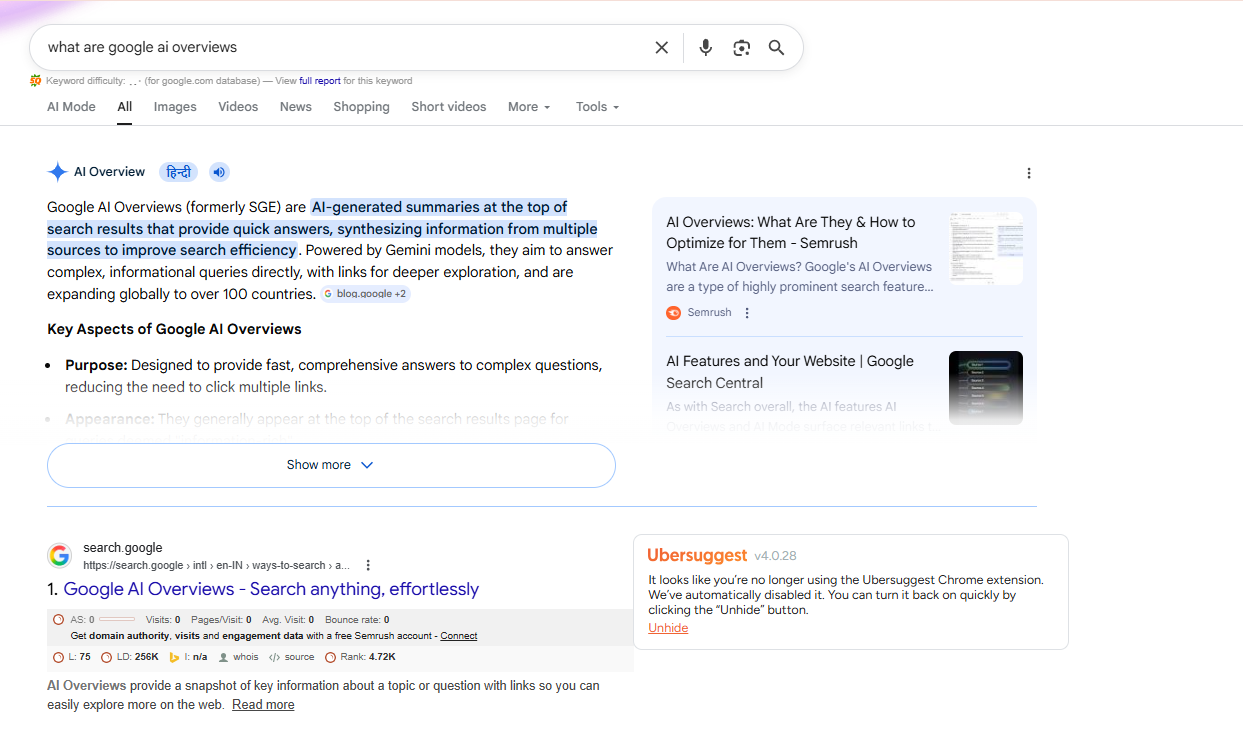

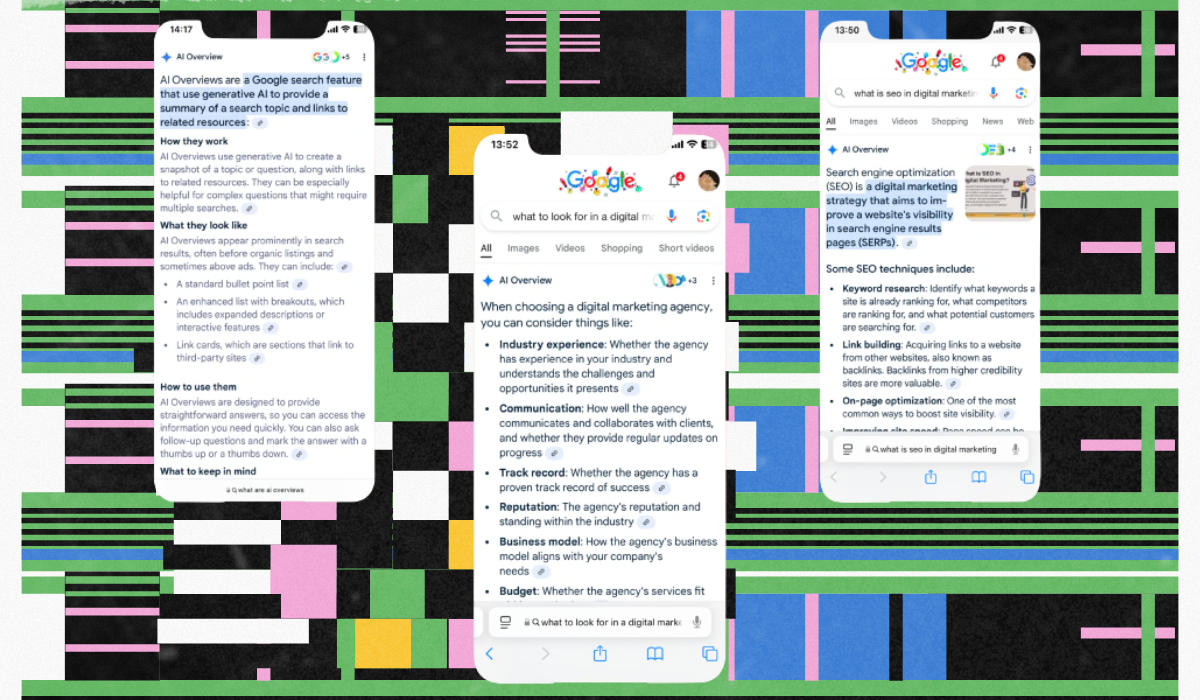

These visuals highlight how overviews provide quick answers while citing sources—your goal is to be one of them.
3 Must-Have AI Tools for Bloggers
Start with these beginner-friendly yet powerful tools that deliver results in 2026.
Tool 1: ChatGPT or Gemini (For Brainstorming, Outlines, and Drafting)
Free or low-cost large language models (LLMs) like ChatGPT (from OpenAI) or Gemini (Google’s) are perfect for quick ideation. Prompt examples:
- “Create a detailed 2500-word blog outline on ‘best AI SEO tools 2026’ targeting high-intent keywords like ‘AI tools for bloggers’.”
- “Rewrite this draft to improve readability, add personal anecdotes, and optimize for Google AI Overviews.”
They generate structures, meta descriptions, and even FAQ sections fast. Use Gemini for Google-specific insights since it integrates well with search trends.
ChatGPT interface examples for SEO content:
.jpg)

![8 Ways to Use ChatGPT for SEO [2026 Guide]](https://cdn.prod.website-files.com/622611a2b23d0e6b270fba81/6958886e709a2034b22df2d3_chatgpt%20for%20seo%20thumbnail.png)
Tip: Always edit outputs—add your unique voice to avoid detection as pure AI content.
Tool 2: Grammarly or Hemingway (For Readability, Tone, and Polish)
After AI drafting, refine with Grammarly (free/premium) or Hemingway App. Grammarly catches grammar, suggests clarity improvements, tone adjustments (e.g., professional yet friendly), and readability scores. Hemingway simplifies complex sentences—aim for Grade 6-8 level, as Google favors easy-to-read content for better user experience and AI snippet picks.
Grammarly suggestions in action:
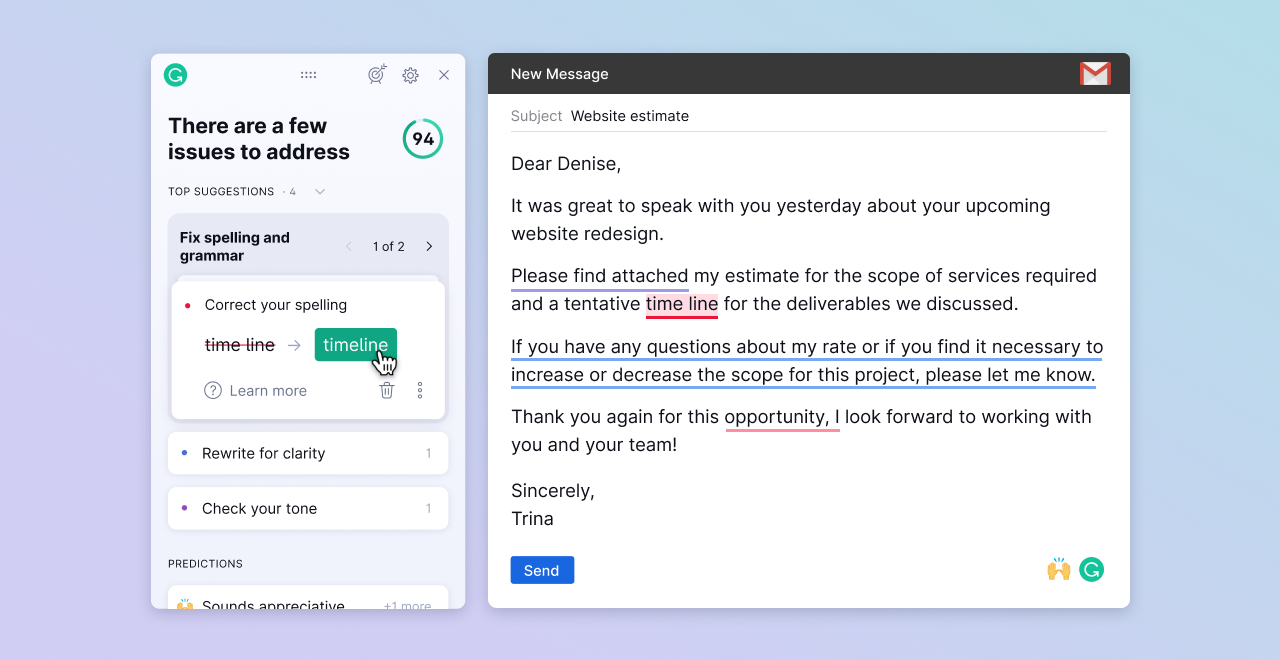

Pro tip: Use grouped suggestions to fix issues quickly and keep content human-like.
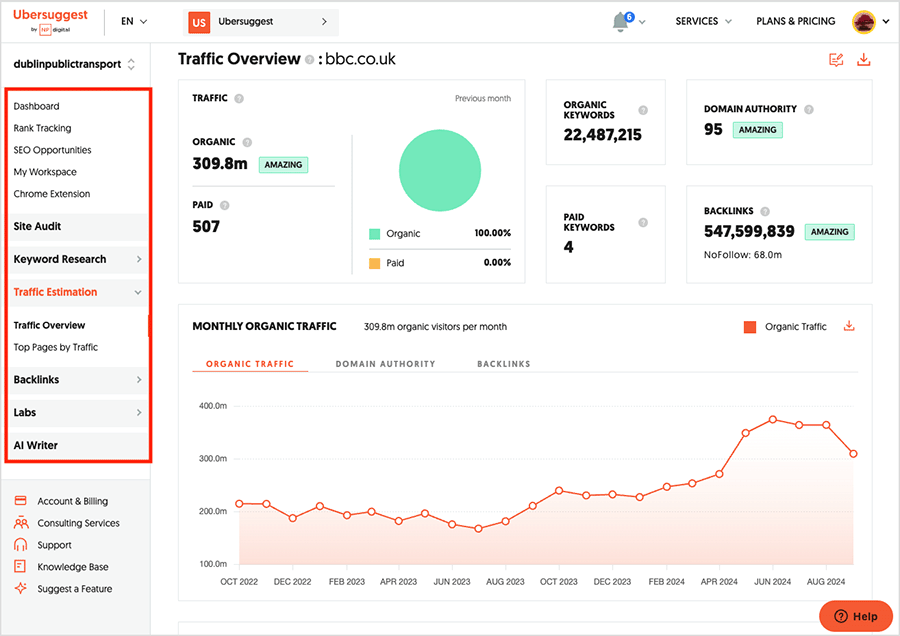
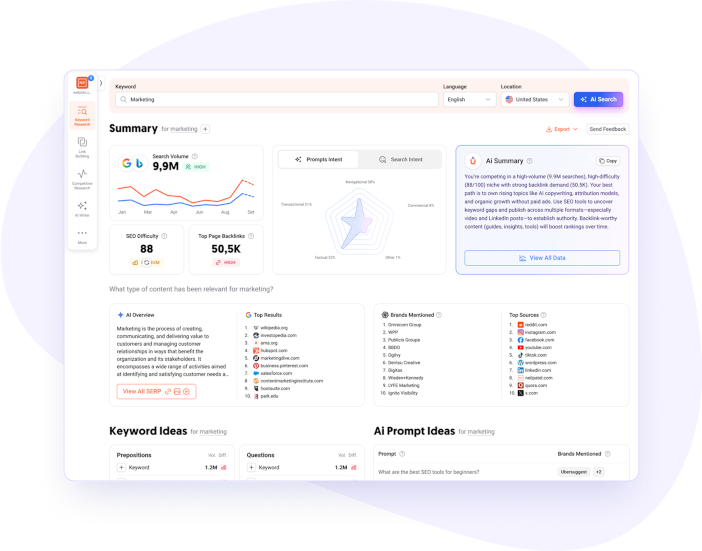
Tool 3: Surfer SEO or Ubersuggest (For High-Intent Keywords and On-Page Optimization)
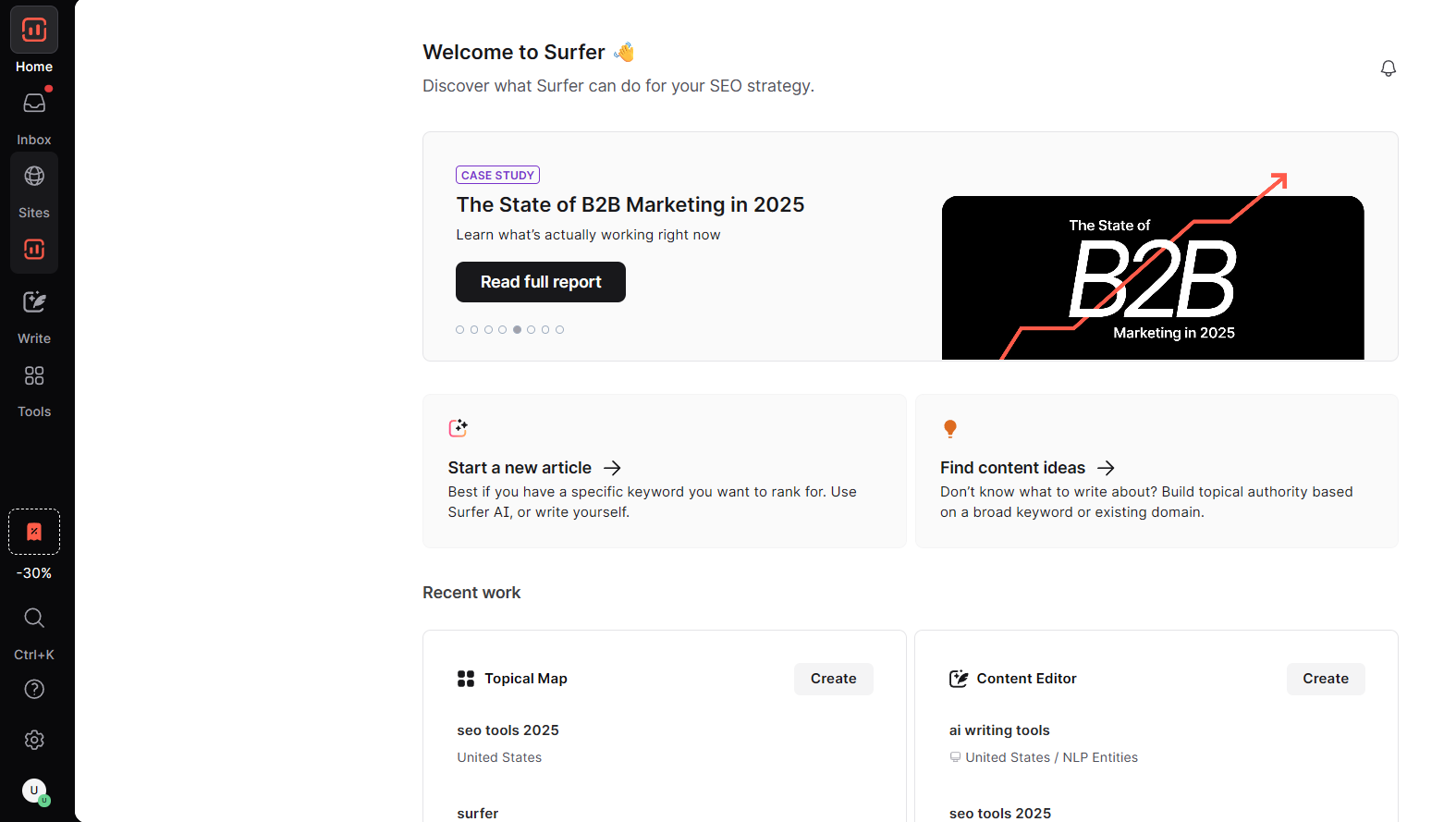
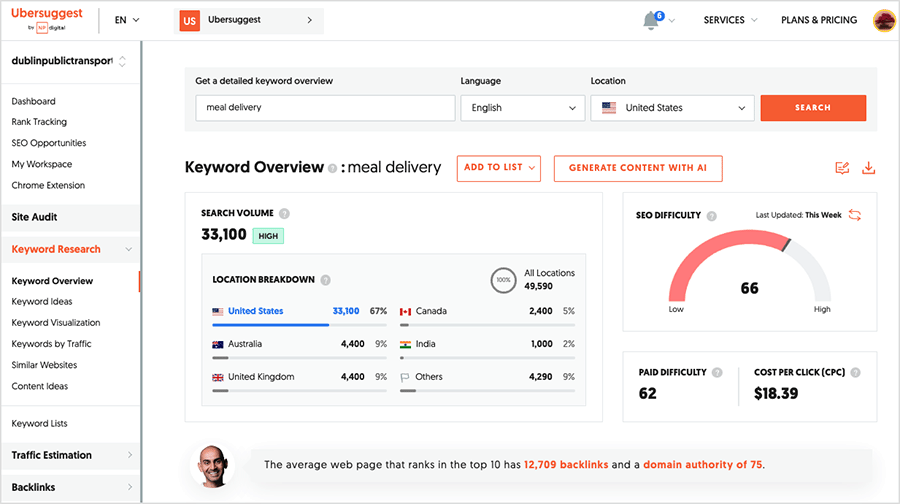
Surfer SEO analyzes top SERPs, gives content scores, suggests keywords, headings, and interlinking. It now includes AI Tracker for visibility in AI searches like ChatGPT or Google Overviews. Ubersuggest (Neil Patel’s free/paid tool) offers keyword ideas, difficulty scores, traffic estimates, and AI writer features—great for beginners.
Surfer dashboard and topical maps:


Ubersuggest keyword research interface:
(Affiliate note: Tools like Surfer or SEMrush often have affiliate programs—many bloggers earn commissions recommending them.)
The ‘Human-in-the-Loop’ Strategy (CRUCIAL)
Google penalizes thin, fully AI-generated content lacking originality. Use ‘Human-in-the-Loop’:
- Let AI generate drafts/outlines.
- Add personal stories, experiences (e.g., “As a blogger from Madhya Pradesh, I tested this tool…”), real examples, or opinions.
- Edit heavily: Update facts, add data from 2026 sources, improve flow.
- Build E-E-A-T: Show expertise with author bios, sources, and unique insights.
This approach helps content rank in AI Overviews, where Google favors helpful, trustworthy pages.
How to Optimize AI Content for Google Snippets and AI Overviews
Structure wins Featured Snippets and AI Overviews:
- Use H2/H3 headings for sections.
- Bullet points, numbered lists, and tables for scannability.
- Short paragraphs (2-4 lines).
- Answer questions directly early (e.g., “In 2026, the best way to use AI for SEO is…”).
- Include schema markup, images with alt text, and internal links.
- Focus on intent: Solve problems comprehensively.
Tools like Surfer score this automatically.
Conclusion
AI is not here to replace bloggers; it is here to empower them. Use it to speed up research, drafting, and optimization, but always add your unique perspective and human touch. That’s what will make your blog stand out in 2026 amid AI Overviews and evolving search.
Start today: Pick ChatGPT + Grammarly (free combo), draft one post with human edits, optimize using Ubersuggest or Surfer, and publish. Track rankings in Google Search Console. In weeks, you’ll see improved traffic and better positions.
Bonus pro-tip: Mention Google’s AI Overviews in your content—it’s a trending topic that shows you’re current and helps with relevance.








)
3 Comments
Nice article! I completely agree that choosing the right clothing can make a huge difference in personal style and confidence.
ReplyDeleteFor those interested in exploring trendy men's fashion, TR Collection has some great options that combine comfort, durability, and style.
🌐 https://trcollection.store/
Thanks for sharing this useful content!
Hello, I am Nagendran working in Certvalue Company with
ReplyDeletethe position of digital marketing Intern. We are the best
ISO certification Consultants to provide ISO Certifications in
all over the world.ISO 22000 Consultants in Zimbabwe
Certvalue provides ISO 22000 Certification in Zimbabwe, ISO 22000 Consultants in Zimbabwe, ISO 22000 services in Zimbabwe, ISO 22000 Registration in Zimbabwe, ISO 22000 Implementation in Zimbabwe, ISO 22000 Audit in Zimbabwe at affordable cost to maintain Quality management system in their organization in Zimbabwe. Are you looking to maintain the QMS Managements system or Quality management system in Zimbabwe, then Certvalue is the right choice for your company to implement ISO 22000 process in Zimbabwe.
This is a useful guide because it focuses on the right balance between AI speed and human editing. I especially agree with the “Human-in-the-Loop” part. AI can create outlines, drafts, meta descriptions, and FAQ ideas quickly, but the final article still needs original examples, updated sources, internal links, and a clear editorial point of view.
ReplyDeleteOne thing I would add is that AI content should also be reviewed for search intent overlap. Many bloggers use AI to create more posts, but they accidentally publish several articles targeting almost the same keyword. That can create keyword cannibalization instead of better SEO results.
I’ve been working on similar practical AI and SEO workflows at AI Promix, and this topic is exactly the kind of approach I think bloggers should use: AI for speed, humans for accuracy, trust, and strategy.
https://www.aipromix.com/