
OMG! CTET 2026 Pedagogy Ke 25 Most Important Questions & Answers
OMG! CTET 2026 Pedagogy Ke 25 Most Important Questions & Answers Jo Exam Mein 100% Aayenge! 🔥📚 (Clear CDP Section Easily & Score Full Marks!)
CTET is coming in February 2026! Yay! 🎉
CTET means Central Teacher Eligibility Test. This exam is for becoming a teacher. Paper 1 is for classes 1 to 5. Paper 2 is for classes 6 to 8.
The most important section is Child Development and Pedagogy (CDP). It gives 30 questions in both papers. Each question is 1 mark. No negative marking – so attempt all!
Pedagogy means how to teach kids. How kids learn. How kids grow and develop.
This article has simple English. Short sentences. 25 super important questions with answers. From previous years and repeated topics. Even a 3rd class kid can understand! 😊
Read full. Practice hard. Clear exam and become a great teacher! 🚀
What is Pedagogy in CTET? Quick Story! 🌟
Pedagogy is the science of teaching. It studies how children think. How they learn new things. How teachers can help them best.
In CTET, CDP section focuses on child growth. Theories like Piaget, Vygotsky, Kohlberg. Learning ways. Inclusive class for all kids.
This section is easy to score if you understand! ❤️


Why CDP is Super Important in CTET? (Big Reasons!) 🔥
CDP is in both Paper 1 and Paper 2. 30 marks weightage. High score here helps clear cut-off easily.
It teaches how to understand kids. Good teachers know child mind. Exam asks theories and real-life questions.
Practice makes you fast and accurate. Builds confidence. You feel like a pro teacher! 😄


Best Tips to Prepare CDP for CTET! 📝
First, read syllabus. Learn main theories: Piaget (cognitive stages), Vygotsky (ZPD), Kohlberg (moral stages).
Solve previous year questions. Take mock tests daily. Make short notes.
Discuss with friends. Clear doubts fast. Stay positive – you can do it! ⚡
Quick List of Key Theories! 🛡️
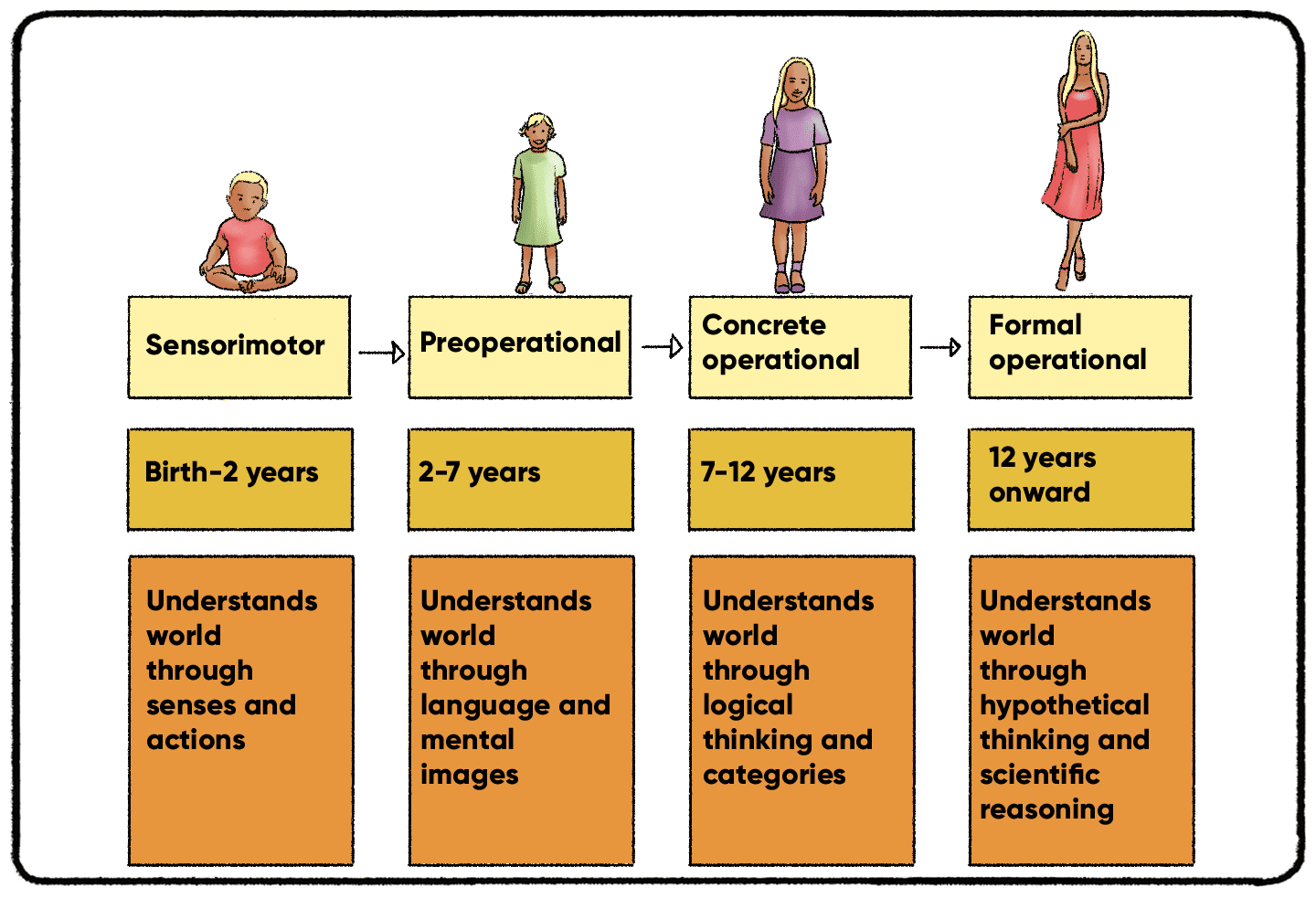
- Piaget: Kids are little scientists. They build schemas. 4 stages: Sensorimotor (0-2), Preoperational (2-7), Concrete Operational (7-11), Formal Operational (12+).
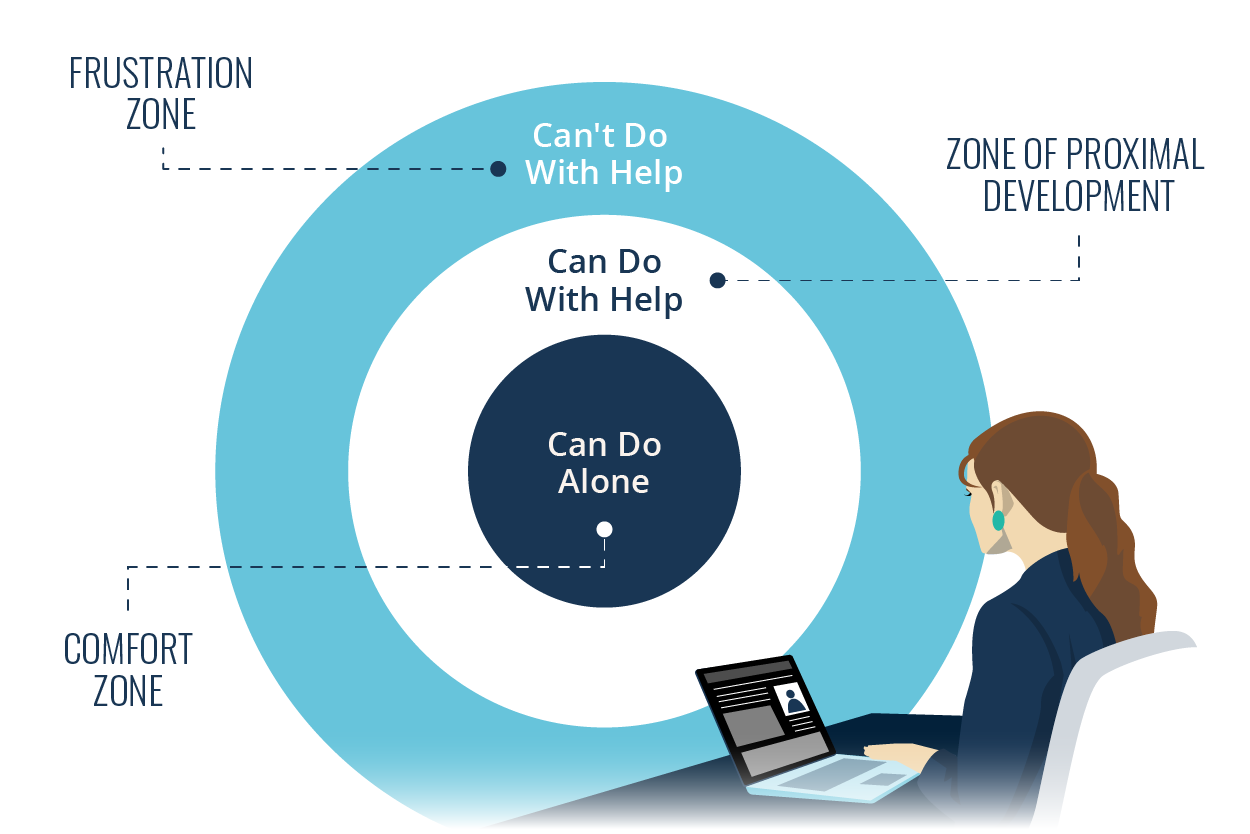
- Vygotsky: Learning is social. Zone of Proximal Development (ZPD). Scaffolding helps.
- Kohlberg: Moral growth in 3 levels: Pre-conventional, Conventional, Post-conventional.
Study like this – safe and smart! ♻️


Top 25 Most Important Pedagogy Questions with Answers! 🎈
These are from previous CTET papers and repeated topics. With simple answers and short explanation.
1. According to Piaget, children are:
A) Passive learners B) Little scientists C) Empty vessels D) Small adults
Answer: B) Little scientists Explanation: Piaget says kids explore and learn like scientists build knowledge.
2. What is Vygotsky’s main idea?
A) Zone of Proximal Development (ZPD) B) Schemas C) Moral stages D) Rewards and punishment
Answer: A) Zone of Proximal Development (ZPD) Explanation: ZPD is what a child can do with help but not alone.
3. How many levels in Kohlberg’s moral development?
A) 2 B) 3 C) 4 D) 5
Answer: B) 3 Explanation: Pre-conventional, Conventional, Post-conventional.
4. What does inclusive education mean?
A) Teach only smart kids B) Teach all kids together (including special needs) C) Teach only girls D) Teach online only
Answer: B) Teach all kids together Explanation: Give equal chance to every child.
5. What is the role of mistakes in children’s learning?
A) Avoid mistakes always B) Mistakes are part of learning C) Punish for mistakes D) Ignore mistakes
Answer: B) Mistakes are part of learning Explanation: Kids learn from errors and correct them.
6. Who gave constructivism theory mainly?
A) Only Piaget B) Piaget and Vygotsky C) Only Kohlberg D) Skinner
Answer: B) Piaget and Vygotsky Explanation: Both focus on kids building knowledge.
7. Highest level in Bloom’s Taxonomy?
A) Remembering B) Understanding C) Creating D) Applying
Answer: C) Creating Explanation: Kids make new things or ideas.
8. What is child-centered education?
A) Teacher talks only B) Focus on child’s needs and interests C) Strict rules D) Book reading only
Answer: B) Focus on child’s needs Explanation: Learning based on child, not teacher.
9. What are gender stereotypes?
A) Facts about boys and girls B) Wrong ideas about what boys/girls can do C) School rules D) Games for kids
Answer: B) Wrong ideas Explanation: Like “boys don’t cry” – bad for growth.
10. Learning is a social activity in which theory?
A) Piaget B) Vygotsky C) Skinner D) Pavlov
Answer: B) Vygotsky Explanation: Kids learn with others’ help.
More bonus questions (11-25): 11. What is scaffolding? (Teacher helps step by step, then reduces.) 12. Intrinsic motivation vs extrinsic? (Inside joy vs rewards.) 13. Assessment for learning means? (Help improve, not just marks.) 14. Gardner’s multiple intelligences? (8 types like musical, logical.) 15. Role of play in learning? (Very important for growth.) 16. Pre-operational stage feature? (Egocentrism – can’t see others’ view.) 17. How to handle hearing impaired kids? (Use signs, visuals.) 18. Progressive education? (John Dewey – learn by doing.) 19. Child as problem solver? (Active learner.) 20. Language and thought relation? (Vygotsky – language helps thinking.) 21. Factors affecting growth? (Heredity + environment.) 22. Intelligence theories? (Spearman, Gardner, Sternberg.) 23. Motivation in classroom? (Praise, goals, fun activities.) 24. Inclusive class tips? (Differentiated teaching.) 25. NCF 2005 main idea? (Child-centered, joyful learning.)
Practice these – they repeat a lot!


Final Tips: Clear CTET 2026 Like a Boss! 🧼
Revise daily. Solve mocks and PYQs. Use good books like Arihant or Himanshi Singh.
Stay calm. Sleep well. You will rock the exam!
All the best, future teacher! Padho hard. Teach with love! 📸❤️
Resources & Citations:
- Shiksha.com CTET CDP previous questions.
- Adda247 and Testbook important PYQs.
- Jagran Josh CTET important questions.
- Physics Wallah and EduRev theories notes.
- Official CTET site for syllabus.


I appreciate the balanced focus on theory and classroom application.
Kenh thong tin nay khong don thuan chi la noi xem ket qua ma con la cong dong ket noi dam me. Tai day, moi du lieu lien quan den trai bong tron deu duoc xu ly qua lang kinh chuyen mon cao: https://bdso.live
Kenh thong tin nay khong don thuan chi la noi xem ket qua ma con la cong dong ket noi dam me. Tai day, moi du lieu lien quan den trai bong tron deu duoc xu ly qua lang kinh chuyen mon cao: https://bdso.live/
Very helpful and easy to understand. It’s good to see a platform spreading awareness about solar energy and its benefits in Pakistan. Clean energy solutions are the future.
20kw solar system in pakistan
Best Modular Kitchen in Chennai for Modern Homes
Looking for the Best Modular Kitchen in Chennai? Modspace Interiors combines innovative layouts, smart storage, and elegant finishes to create kitchens that are both beautiful and practical. Each modular kitchen is crafted to enhance efficiency while complementing your home’s interior style.
As a leading Kitchen Interiors in Chennai – Manufacturer of Modular Kitchens Chennai, Modspace Interiors offers end-to-end kitchen solutions from design to installation. Our manufacturing expertise ensures precision, quality finishes, and long-lasting performance for every modular kitchen project in Chennai.
Really helpful list for CTET 2026 pedagogy prep — thanks for putting this together! Super useful for quick revision.
It was a nice post worth reading. Thank you for your valuable knowledge Best BMLT College In Mp
It was a nice post worth reading. Thank you for your valuable knowledge
Very helpful list! Covering these 25 key pedagogy questions will definitely save time for CTET 2026 aspirants and boost their preparation confidence. Great resource for focused study.
What stands out to me about the aviator game is how interactive and engaging it feels compared to other online games. The real-time multiplier flight concept is unique, and the interface is incredibly user-friendly. The aviator game login process is quick and secure, requiring proper authentication that ensures user accounts remain protected. I really appreciate features like auto cash-out, live chat interaction, and fast deposit options. As for security, the app appears safe with SSL encryption and secure payment processing, making it trustworthy for regular players.
Visit to know More- https://aviatorgames.net.in/
CTET 2026 ke liye Child Development and Pedagogy (CDP) ke 25 sabse mahatvapurn (important) sawal aur unke jawab niche diye gaye hain. Ye sawal Piaget, Vygotsky, Kohlberg, aur Inclusive Education jaise pramukh topics par aadharit hain. https://trailerbarnllc.com/product-category/open-car-trailers/
Your Post is Very Informative....PUBG Mobile Unlimited UC Free
The quick theory recap section is very useful. Understanding ZPD, scaffolding, inclusive education, and Bloom’s Taxonomy clearly is key to scoring well in CDP. Many students try to memorize, but your explanations focus on concept clarity, which is more important. The emphasis on child-centered education and mistakes being part of learning also reflects real classroom thinking. Great revision material for Paper 1 and Paper 2 both. https://adremtek.com/
The simple language and structured list of repeated topics make this article very student-friendly. Including theories, inclusive education, Bloom’s Taxonomy, and NCF 2005 in one place is extremely helpful. Anyone preparing seriously for CTET 2026 should definitely revise from here! 👏
https://invoqat.com/
Great and super helpful content! 🔥 The way you’ve covered the 25 most important CTET 2026 Pedagogy questions makes CDP revision so much easier. This will definitely boost confidence and help aspirants score better in the exam. Keep sharing such valuable guidance! 📚✨https://preetcreateivehub.wixsite.com/my-site-1/post/is-it-really-possible-to-lose-weight-without-exercise-a-truthful-look-at-diet-only-weight-loss
The real-time multiplier concept definitely makes the game more intense and engaging. Features like auto cash-out and strong security add to the overall experience.https://jasleenportfolio28.blogspot.com/2025/10/which-is-example-of-digital-marketing.html
Get 10,000+ Ready-to-Use Excel Files for Your Business & Daily Work
Are you spending hours creating Excel sheets from scratch?
Stop wasting time — start working smarter.
At www.readyexcelfiles.com
I must say, 11Xplay offers an engaging and trustworthy experience. After a quick 11xplay Login, I could instantly explore multiple gaming categories without confusion. The app’s design is sleek, and live betting options are updated in real time. Secure deposits and quick withdrawals make the entire process smooth. It’s refreshing to use a platform that combines entertainment with efficiency so perfectly.
Click on To Know more- https://11xplayss.net.in/
Good post! Some people also find post-surgical physiotherapy vital — this resource explains more: Abbotsford Physio.
Great content with practical construction tips. Anyone looking for expert civil contractors should explore CivilStap.
If your business needs branding support, the best online marketing agency in Panchkula is Standard Digitals.
Very helpful for aspirants! These important questions for CTET pedagogy revision can really boost confidence before the exam. 📚✨
https://omaggarwal2003.blogspot.com/2025/10/ai-development-in-india.html
This is super helpful! A focused list of the 25 most important pedagogy questions for CTET 2026 is exactly what aspirants need. Thanks for making preparation easier and more organized!
publisher Hamcospo.com/
Wow! 🔥 What an amazing CTET Pedagogy guide!
So simple… so clear… so helpful! 👏📚
Who says CDP is tough? 🤔
Can learning really be this easy and fun? 😍
Aren’t Piaget, Vygotsky & Kohlberg explained like stories? 🌱
Short questions, clear answers, exam-focused points — what more does a CTET aspirant need? 🚀
Isn’t this perfect for last-minute revision before CTET 2026? ⏰
Truly a must-read for every future teacher! ❤️
Ready to score full marks in CDP now? 😄
CDP made easy? Absolutely! 😍📘
Simple language, clear concepts, and exam-focused questions — isn’t this exactly what CTET aspirants need? https://drsnaclinic.com/p-shot-treatment-london
This comment has been removed by the author.
Really informative post! Digital marketing is becoming essential for businesses and professionals today. I’ve recently started exploring a digital marketing course in Ahmedabad and it’s amazing how much practical knowledge you can gain about SEO, content marketing, and online advertising. Thanks for sharing this valuable information.
Thanks for posting and discussion of the topic omg ctet 2026 pedagogy ke 25-most, and provide an important information.
Best laparoscopic surgeon in Patna
Great post! I really enjoyed reading this article and found the information very useful and well explained. You did a great job breaking down the topic in a simple and clear way. Content like this is very helpful for readers who want to learn something new. Thanks for sharing such valuable insights, and I’m looking forward to reading more of your posts.
Very informative and useful educatinoal article. You can also checkout my site too. https://sharehub.shop/
OMG! 🚨 CTET 2026 के लिए Pedagogy के 25 सबसे महत्वपूर्ण प्रश्न और उत्तर—तैयारी को दें एक दमदार boost! 📚🔥
https://xl.institute/programs/digital-marketing/
This looks super helpful for CTET 2026 preparation. Pedagogy is one of the most important sections, so having these key questions and answers in one place can really save time for aspirants. wenas.info@gmail.com
https://wenas.co.in/product/special-combo-vitamin-c-serum-face-pack-neem-soap-charcoal-soap/